USD
USD  Canadian Dollar (CAD $)

One of the most common questions from people new to sanding is: What’s the difference between the various types of sandpaper?
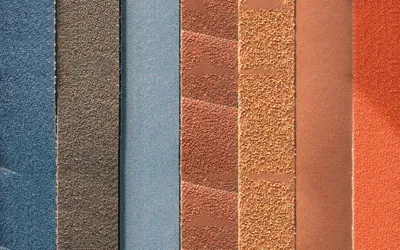
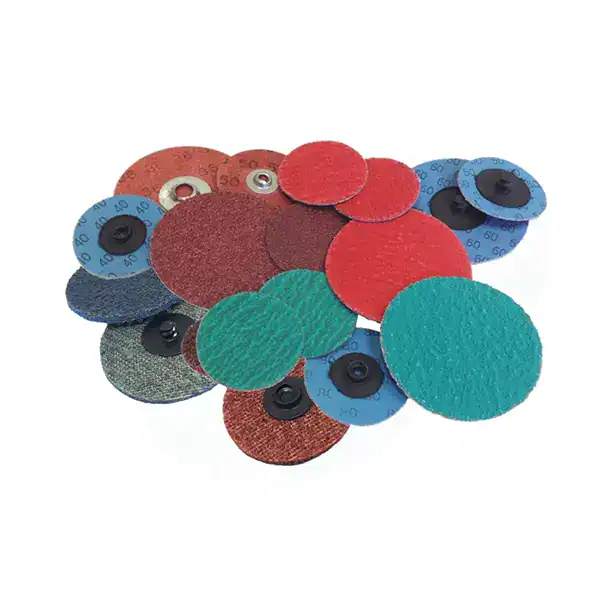
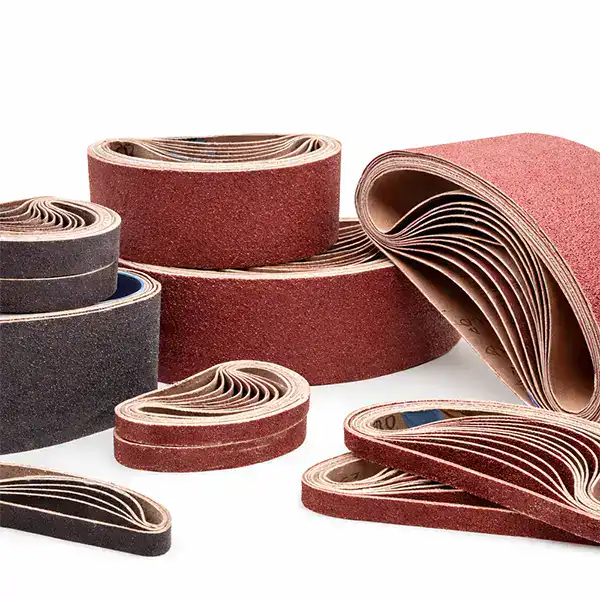
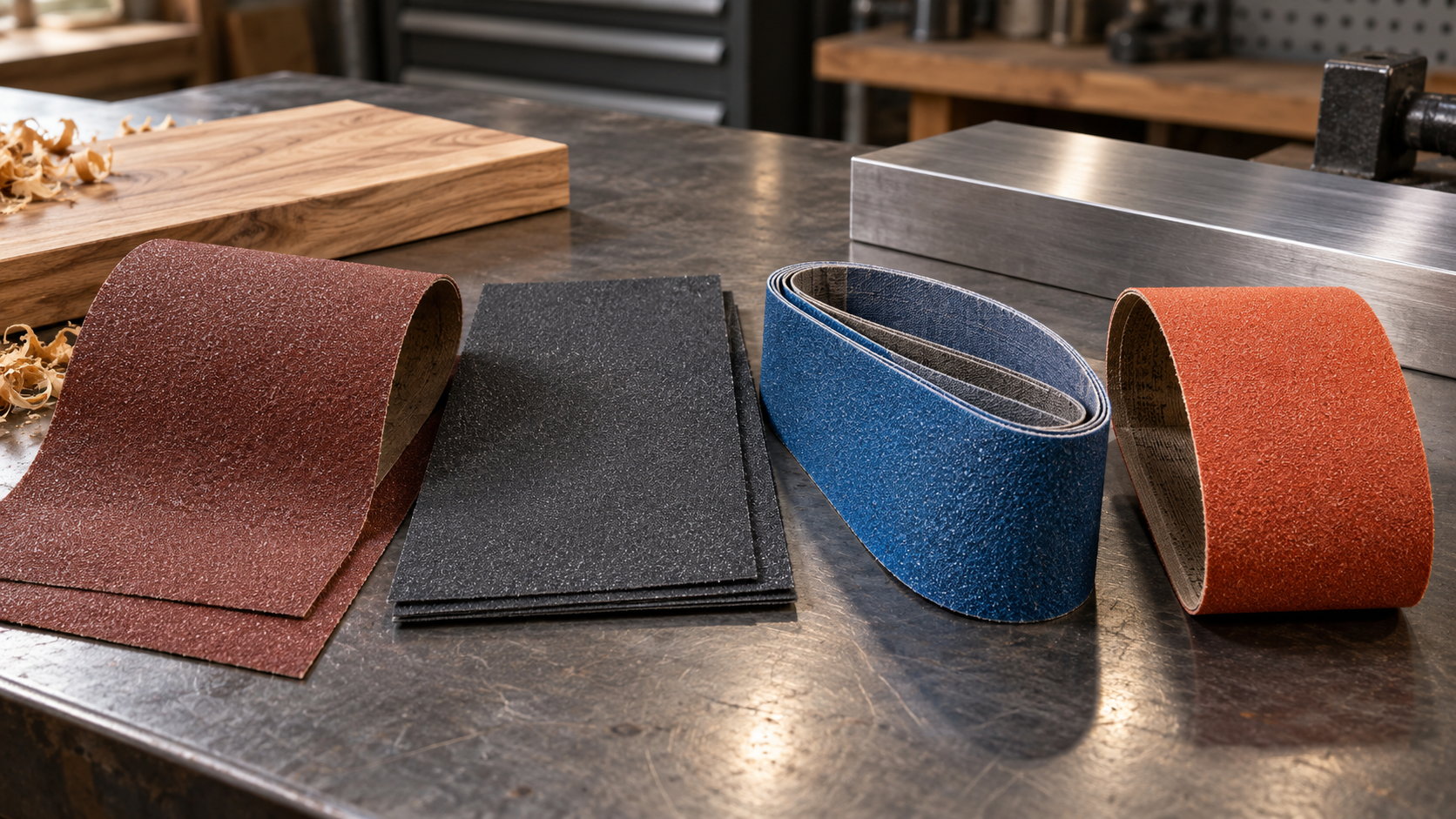
While there are countless combinations of abrasive grains, backing materials, and coatings, most sanding products fall into four primary categories:
- Aluminum Oxide
- Silicon Carbide
- Zirconia
- Ceramic
Each abrasive is designed for specific materials and applications. Choosing the right one can improve finish quality, increase productivity, and reduce overall sanding costs.
Aluminum Oxide
Best For: Wood, steel, stainless steel, aluminum, painted surfaces, and general-purpose sanding.
Aluminum Oxide is the most widely used abrasive on the market and is typically the best choice for everyday sanding. The abrasive grain fractures during use, exposing fresh cutting edges that help maintain cutting performance throughout the life of the product.
It offers an excellent balance of durability, cutting speed, and affordability, making it a popular choice for woodworking, metalworking, and DIY applications.
Typical Color: Red or brown
Choose Aluminum Oxide if: You need a versatile abrasive for general sanding and finishing.
Silicon Carbide
Best For: Glass, plastic, stone, fiberglass, rubber, non-ferrous metals, paint preparation, and finishing.
Silicon Carbide is harder and sharper than Aluminum Oxide, allowing it to cut very aggressively and leave a finer scratch pattern. Because the grain is more brittle, it typically wears faster, but the cutting action is exceptionally clean.
Many Silicon Carbide products feature waterproof backings, making them ideal for wet sanding applications such as automotive refinishing and surface preparation.
Typical Color: Black
Choose Silicon Carbide if: You need a sharp abrasive for fine finishing, wet sanding, or hard non-metallic materials.
Zirconia
Best For: Steel, stainless steel, aluminum, titanium, hardwoods, and heavy stock removal.
Zirconia abrasives are designed for tougher grinding and sanding applications where durability matters. The grain continually fractures under pressure, creating new cutting edges and extending abrasive life.
Compared to Aluminum Oxide, Zirconia typically provides a longer lifespan and performs especially well on belt sanders and metal fabrication equipment where higher pressures are applied.
Typical Color: Blue
Choose Zirconia if: Standard Aluminum Oxide products wear out too quickly for your application.
Ceramic
Best For: Stainless steel, carbon steel, exotic alloys, production sanding, and high-volume material removal.
Ceramic abrasives represent the highest level of coated abrasive technology. The grain is extremely tough and engineered to micro-fracture in a controlled manner, constantly exposing fresh cutting points.
The result is faster cutting, cooler grinding temperatures, and significantly longer life compared to conventional abrasives. While Ceramic products generally have a higher upfront cost, they often provide the lowest cost per part due to their performance and longevity.
Ceramic abrasives perform best when moderate to heavy pressure is applied.
Typical Color: Varies by manufacturer
Choose Ceramic if: Maximum productivity and abrasive life are your primary goals.
Which Sandpaper Is Right for You?
As a simple rule:
- General sanding: Aluminum Oxide
- Fine finishing or wet sanding: Silicon Carbide
- Heavy-duty metalworking: Zirconia
- Maximum performance and longevity: Ceramic
The most expensive abrasive isn’t always the best choice. Matching the abrasive to the application will produce better results, save time, and often reduce sanding costs.
If you’re unsure which product is right for your project, the team at Sandpaper.ca can help you select the best abrasive for your material, equipment, and budget.