USD
USD  Canadian Dollar (CAD $)

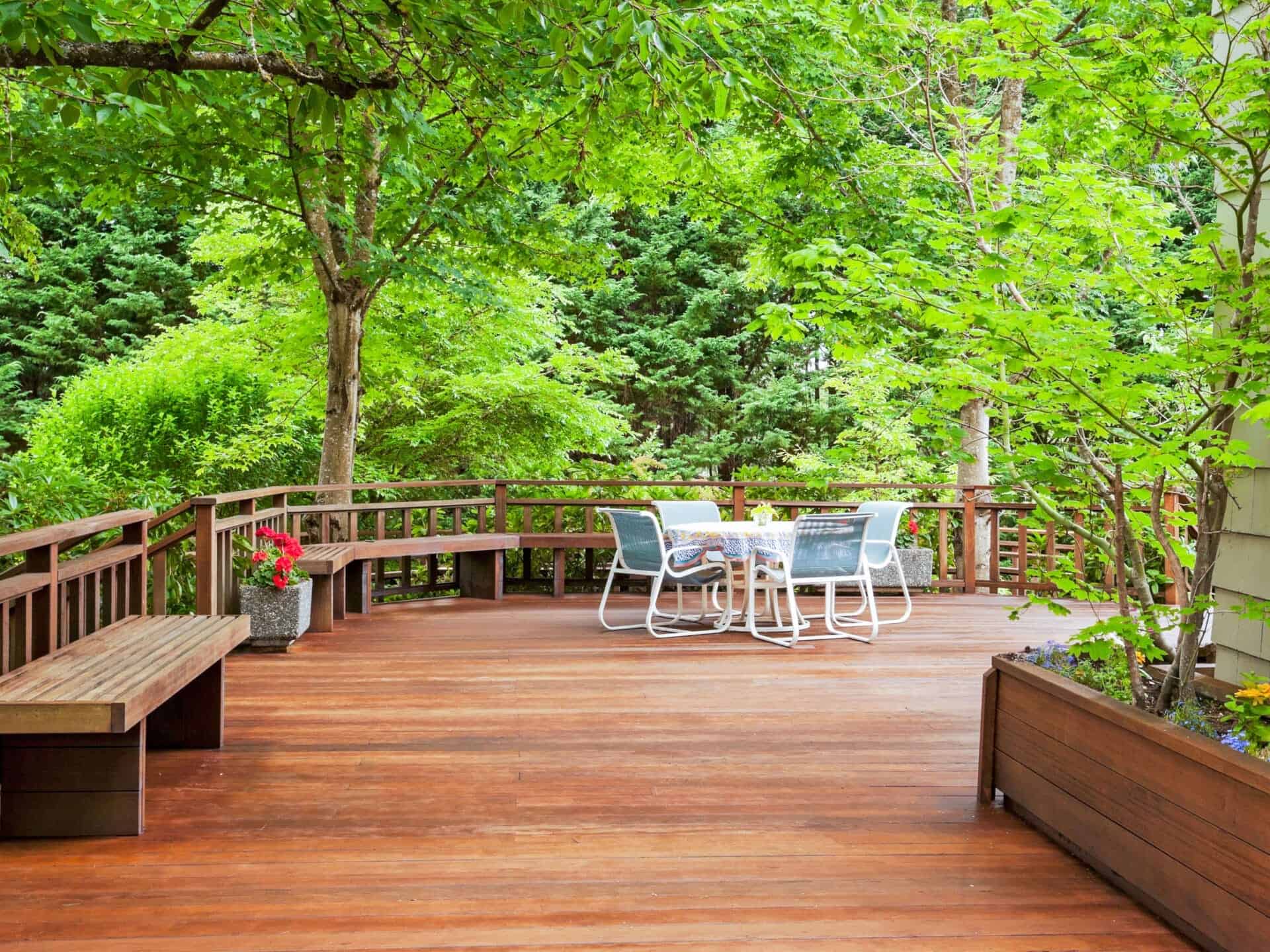
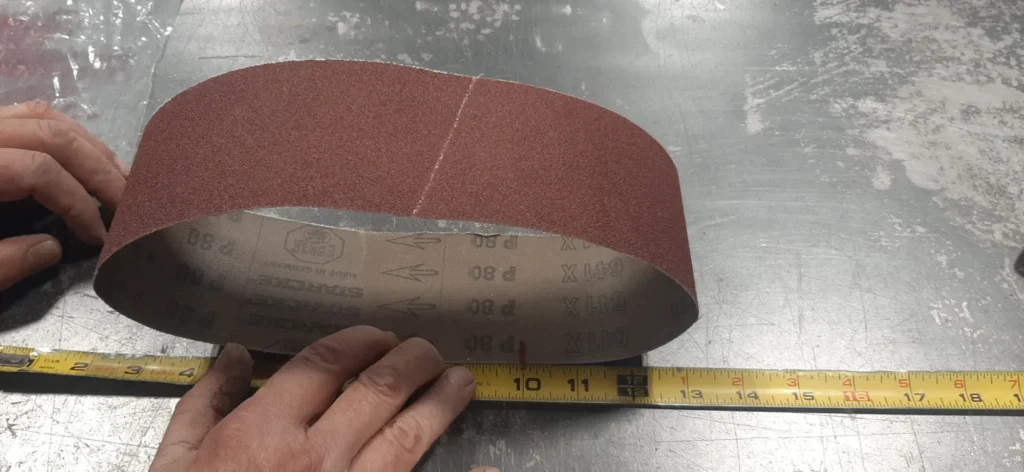
Spring is the perfect time to bring a deck back to life, but one of the biggest factors in achieving a great result is choosing the right sanding setup. While 8×19 belt sanders are commonly used, they are better suited to flat indoor floors and perform best on decks that are relatively level. They are excellent for fast material removal and stripping old coatings, but because they ride over the surface, they do not follow cupped or uneven boards well. This often means they cut high spots aggressively while leaving low areas untouched.
When dealing with cupped or weathered deck boards, a 12×18 vibratory sander is usually the better choice. Instead of cutting aggressively, it floats over the surface and conforms more closely to the shape of the wood, allowing it to sand more evenly across both high and low spots. It is also worth noting that this style of sander is commonly available at local rental stores.
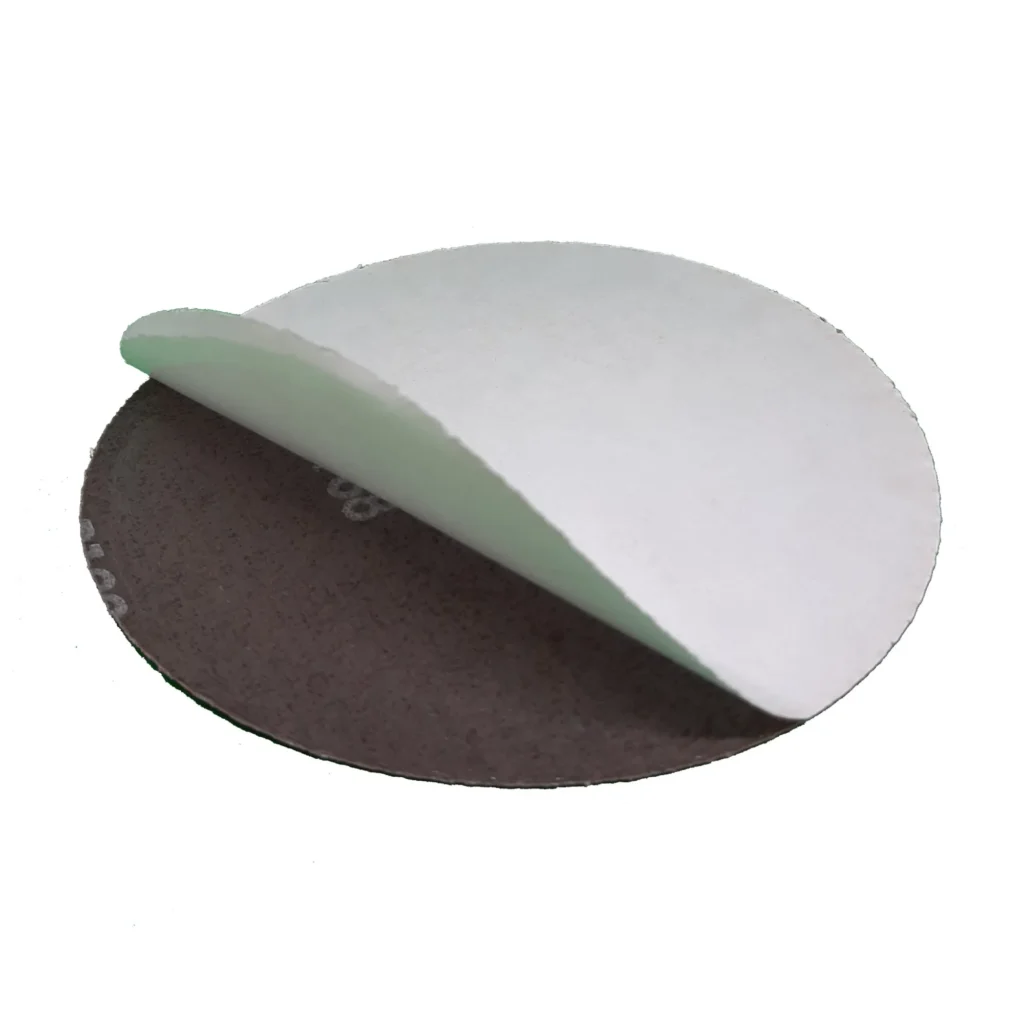
One of the unique advantages of the Orbital 12×18 floor sander is its use of PSA-backed abrasives, which adhere directly to a woven nylon pad mounted beneath the machine. These pads come in different stiffness levels, and that choice has a major impact on the sanding result. Softer pads, such as white, conform more easily over cupped boards and provide a smoother, more uniform finish without removing too much material. As you move up in stiffness, from red to green and then black, the pad becomes more aggressive. A black pad focuses more on knocking down high spots before reaching the lower areas, making it better suited for leveling.
Your starting grit is also important. For an older, weathered deck with cupping, 40 to 60 grit is common, while a deck in better condition may only require 60 grit as a starting point. For most deck applications, the ideal finish is around 80 grit. This leaves the surface smooth enough for bare feet, but not so fine that it closes the wood grain. Finishing at 80 grit also helps stain penetrate properly and creates a surface that holds coating well without becoming slippery.
In the end, it all comes down to matching the machine, the pad, and the condition of the deck. When those elements are aligned, the sanding process becomes easier, more consistent, and sets the job up for a much better finish.
Spring is the perfect time to bring your deck back to life and choosing the right sanding approach makes all the difference.
Quick Tips For The Best Result
- Choose the right machine:
Belt sanders work well on flat surfaces but can miss low spots on uneven or cupped boards. A 12×18 vibratory (orbital) sander is often a better choice for decks, as it follows the contours more evenly. - Use the right pad:
Softer pads (like white) help create a smoother, more uniform finish, while stiffer pads (red, green, black) increase aggressiveness for leveling. - Start with the proper grit:
- Weathered or cupped decks: 40–60 grit
- Better condition decks: start at 60 grit
- Finish at 80 grit:
Leaves the surface smooth for bare feet while keeping the wood open enough for proper stain absorption and coating adhesion.
Getting the right combination of machine, pad, and grit will make the job easier and deliver a much more consistent, professional finish.
Why Shop at Sandpaper.ca?
Having the right abrasive can make all the difference when sanding a deck. At Sandpaper.ca, we carry a wide selection of floor sanding abrasives, PSA abrasives, and other products designed to help you achieve a more consistent finish.
Whether you’re a contractor or a DIY homeowner, our team can help you select the right grit, pad, and abrasive for your project. Explore our full range of abrasive products or contact us for expert recommendations.
FAQs
What grit sandpaper should I use for sanding a deck?
The right grit depends on the condition of the deck. Heavily weathered, stained, or cupped boards often require a starting grit between 40 and 60. Decks in better condition may only need 60 grit. For most projects, finishing at 80 grit provides the ideal balance between smoothness and stain absorption.
Should I use a belt sander or orbital floor sander on a deck?
Belt sanders are excellent for fast material removal and stripping coatings from flat surfaces. However, many deck boards become cupped or uneven over time. In these situations, a 12×18 orbital or vibratory floor sander often delivers a more consistent finish because it follows the contours of the wood more effectively.
Why should I stop sanding at 80 grit?
Finishing at 80 grit leaves the deck smooth enough for bare feet while keeping the wood grain open enough for proper stain penetration. Sanding finer than 80 grit can reduce stain absorption and may lead to uneven coating performance.
What sanding pad should I use with a 12×18 orbital floor sander?
Softer pads, such as white pads, provide greater flexibility and conform better to cupped deck boards. Stiffer pads like red, green, and black increase aggressiveness and are often used when leveling uneven surfaces or removing more material.
Can I stain my deck immediately after sanding?
Yes, but the deck should be thoroughly cleaned of dust before applying stain. Many contractors recommend blowing off the deck and allowing it to dry completely before coating.
How often should a wood deck be sanded?
Most wood decks benefit from sanding every few years depending on exposure to weather, foot traffic, and coating condition. Sanding may be necessary sooner if the deck develops splinters, peeling stain, or significant weathering.
What is the biggest mistake people make when sanding a deck?
One of the most common mistakes is using the wrong machine or finishing with a grit that is too fine. This can lead to uneven sanding, poor stain absorption, and reduced coating performance.